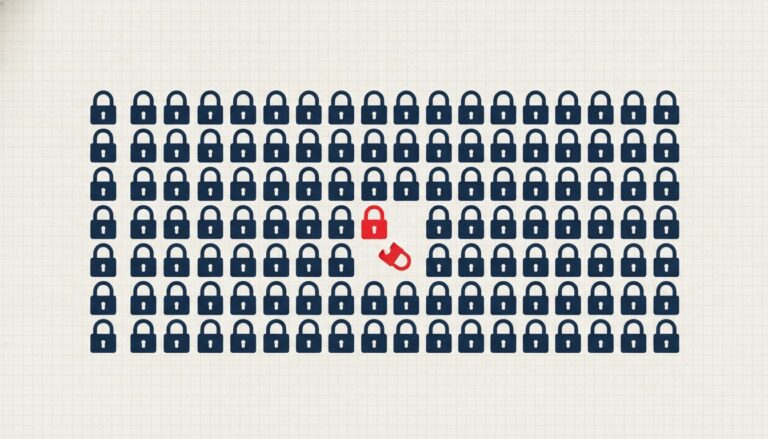
Opinion: a lot of the vocabulary that surrounds crypto is not there to explain anything. It is there to sort people into insiders and outsiders, and every day it does that job, someone who could have understood a simple idea instead pays someone else to translate it for them, or trusts a stranger’s confident tone instead of their own judgment. Plain-English coverage is not a nicety in this market. It is close to a duty.
Complexity that is real, and complexity that is performed
Some of crypto’s vocabulary earns its place. The difference between a custodial wallet and self-custody is a real, load-bearing distinction with real consequences if you get it wrong, and there is no way to shrink it to a single friendly word without losing the part that matters. The same goes for the difference between spot markets and derivatives, where the underlying mechanics genuinely differ and a reader who conflates them can end up exposed to risks they did not sign up for. Precise language, used carefully, protects people. That is not the vocabulary this column is about.
This column is about the other kind: the slang, the acronyms, the in-group shorthand that gets layered on top of genuinely technical concepts and then treated as equally necessary. None of it is secret or exotic once you look at it directly. It usually describes something ordinary, dressed up. And once a newcomer cannot tell which kind of unfamiliar word they are looking at, the technical kind that protects them or the performative kind that just gatekeeps them, they tend to do the same thing with both: nod, disengage, and outsource their understanding to whoever sounded most confident saying it.
Who benefits when a newcomer cannot follow along
Jargon is not neutral. It has beneficiaries. Anyone selling something, whether that is a token, a signal service, a course, or just engagement on a social feed, benefits when a newcomer feels one step behind and cannot independently verify a claim. A dense wall of terminology makes a bad idea sound sophisticated and a sophisticated critique sound like it requires more expertise than the reader has to evaluate for themselves. It is a lot easier to sell someone on a narrative when the vocabulary itself is the barrier to them checking your work. That dynamic is not unique to crypto, but crypto has an unusually large amount of genuinely technical material sitting right next to an unusually large amount of purely social slang, and the two get blended together on purpose more often than by accident.
The people most exposed to this are exactly the people newsrooms exist to serve: someone opening their first exchange account, reading about a wallet for the first time, or trying to figure out whether a headline number about a token’s market capitalization means what it sounds like it means. If the only path to understanding a market runs through learning a private vocabulary from the people who profit when you stay confused, that is not a market functioning well. That is a moat, and it is a moat built out of words instead of capital.
What plain-English coverage owes a newcomer
Coverage that takes this seriously has a few concrete obligations, not just a general vibe of friendliness. It should define a technical term the first time it is used, every time, rather than assuming familiarity because the writer has used the term a thousand times before. It should distinguish, explicitly, between vocabulary that describes a real mechanical difference and vocabulary that is doing social work, in-group signaling, humor, tribal identity, so a reader can tell which words are worth the effort to learn and which are safe to ignore entirely. It should resist the temptation to borrow a source’s confident jargon just because it sounds authoritative, since repeating unexplained language back to a reader is not reporting, it is laundering someone else’s framing. And it should treat “I do not understand this term” as useful reader feedback about the writing, not a gap in the reader.
Our own explainer on buying crypto through a US exchange tries to hold that line: it walks through funding an account and identity verification in plain terms rather than assuming a reader already knows what those steps involve. That is a small example, but the habit matters more broadly, across every corner of a market that has gotten very comfortable assuming its audience already speaks the language.
The cost of getting this wrong
When jargon goes unexplained, it does not just make a reader feel excluded, though that alone would be reason enough to fix it. It changes what they are able to evaluate. A person who cannot follow the vocabulary around a token’s supply mechanics cannot meaningfully judge whether a number is impressive or misleading. A person who does not understand the difference between a spot position and a leveraged derivatives position cannot accurately judge their own risk, no matter how carefully they read the fine print, because the fine print itself is written in the vocabulary they were never taught. Confusion is not a harmless inconvenience in a market this volatile. It is the exact condition under which people make decisions they would not have made with a clearer picture, and it is disproportionately the newest, least experienced participants who pay for it.
What this looks like in practice
None of this means talking down to readers, or pretending crypto has no genuine complexity worth respecting. It means being honest about which complexity is real. It means a newsroom writing for people who are new to this, not people who already work in it, should default to defining a term rather than assuming it, should flag when a word is doing social work rather than technical work, and should treat jargon-fluency as something readers are owed help acquiring, not something they are expected to already have before they are allowed to participate. Our broader guides and education coverage is built around that same premise: that understanding a market is not a prerequisite for entering it responsibly, it is something good coverage should actively build.
The point of plain language is not to make crypto sound simple. Parts of it are not simple, and pretending otherwise would be its own kind of dishonesty. The point is to make sure the difficulty a reader is wrestling with is the real difficulty of the underlying idea, not an artificial one built out of unexplained words that mostly serve the people who already know them.
This column is opinion, not investment, legal, or tax advice. It is not a forecast or a guarantee of any outcome. Crypto is volatile and high-risk; consult a licensed professional before making financial decisions.
Last updated August 12, 2026
Explainers Editor at Crypto News US, writing beginner guides, wallet-security walkthroughs and plain-English altcoin basics for newcomers, from Miami.